
Introduction
In an increasingly digital and interconnected world, the need for uninterrupted power supply is paramount. Power outages, voltage fluctuations, and electrical disturbances can disrupt essential operations, lead to data loss, and damage valuable equipment. To address these challenges, Uninterruptible Power Supply (UPS) systems have become a crucial component of modern power infrastructure. By providing backup power during outages and regulating voltage, UPS systems ensure reliable and uninterrupted power supply to protect critical systems.
The Role of UPS Systems
Uninterruptible Power Supply (UPS) systems act as a safeguard against power disruptions by seamlessly transitioning to battery power when the main power supply fails. UPS systems are typically composed of three key components: a rectifier that converts AC power to DC power, a battery bank that stores the DC power, and an inverter that converts the DC power back to AC power for distribution to connected devices. The UPS constantly monitors the input power quality and, when a disruption occurs, switches to battery power within milliseconds to ensure continuity.
Protecting Against Power Outages
The primary purpose of a UPS system is to protect critical systems and devices during power outages. In the event of a blackout or brownout, the UPS instantly provides backup power, allowing essential operations to continue without interruption. This is particularly crucial in environments where data loss or downtime can have severe consequences, such as data centers, hospitals, financial institutions, and manufacturing facilities. UPS systems ensure that critical equipment, such as servers, medical devices, communication systems, and industrial machinery, remain operational during power disruptions.
Voltage Regulation and Power Conditioning
UPS systems also play a vital role in regulating voltage and ensuring stable power supply. They monitor the input voltage and, if fluctuations or surges occur, automatically adjust the output voltage to maintain a stable level. This protects connected devices from voltage spikes or sags that can cause damage or malfunctions. Additionally, UPS systems filter out electrical noise, harmonics, and other disturbances, providing clean and stable power to sensitive electronic equipment. This power conditioning capability enhances the performance, reliability, and longevity of connected devices.
Different Types of UPS Systems
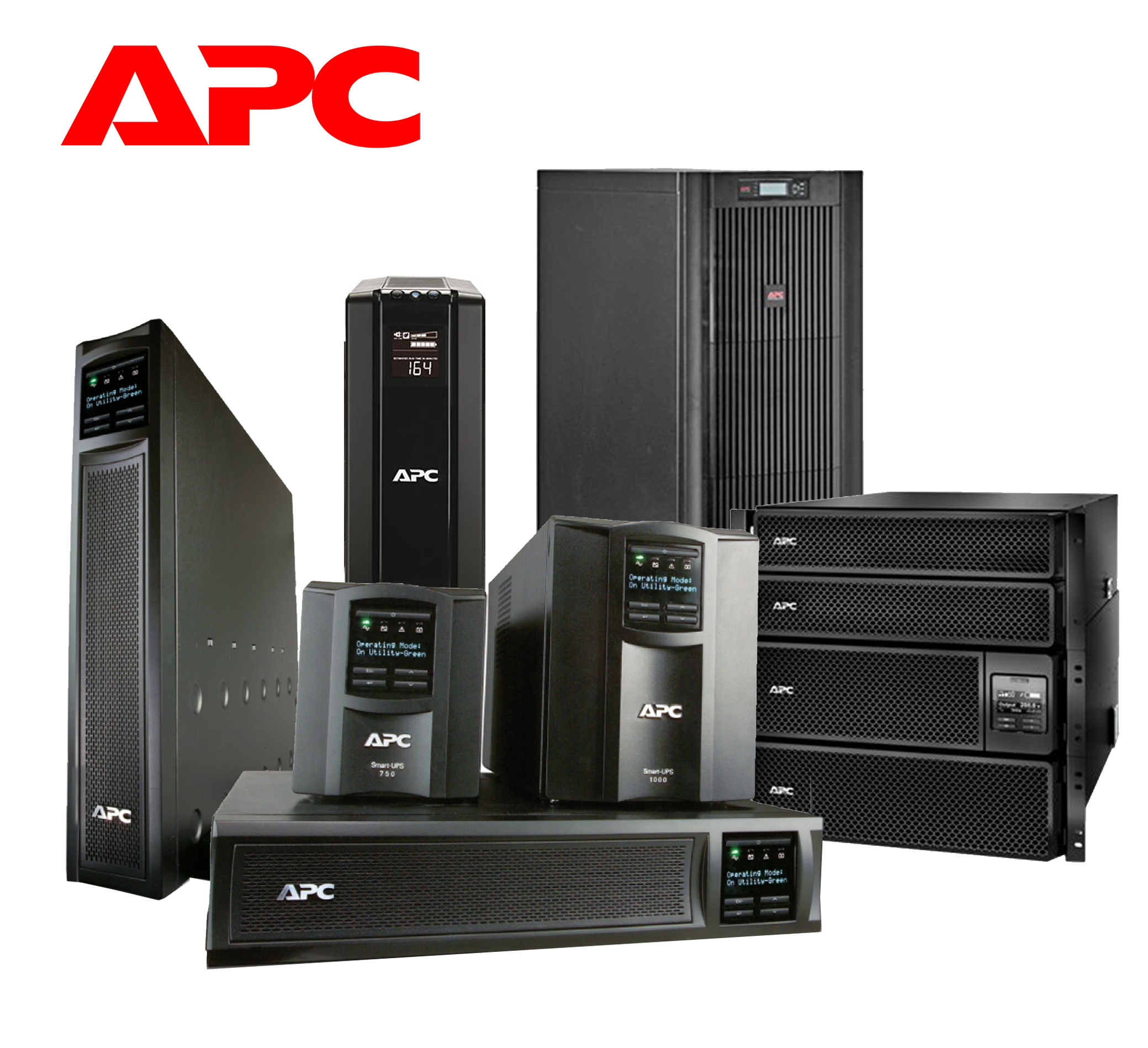
UPS systems come in various types to accommodate different power requirements and applications:
- Standby UPS: Ideal for residential and small office environments, standby UPS systems provide basic protection by switching to battery power when the input voltage falls outside a specific range.
- Line-interactive UPS: Commonly used in small to medium-sized businesses, line-interactive UPS systems regulate voltage fluctuations by using an automatic voltage regulator (AVR) while also providing battery backup during outages.
- Online UPS: Designed for critical applications, online UPS systems offer the highest level of protection. They continuously provide clean, regulated power by running the load through the inverter at all times, ensuring zero transfer time during power disruptions.
Choosing the Right UPS System
Selecting the appropriate UPS system depends on several factors, including the power capacity required, the criticality of the connected devices, and the expected runtime during outages. Reputable manufacturers like GTL PAK offer a range of UPS systems to suit various needs, with customizable options and professional guidance to ensure the right solution is chosen.
Conclusion
Uninterruptible Power Supply (UPS) systems have become indispensable in protecting critical systems and ensuring uninterrupted power supply. With their ability to provide backup power during outages and regulate voltage, UPS systems safeguard against data loss, equipment damage, and productivity disruptions. Whether in data centers, healthcare facilities, financial institutions, or any environment where reliable power is essential, UPS systems offer peace of mind and allow operations to continue without interruption.
Investing in a high-quality UPS system, such as those provided by GTL PAK, ensures the protection of valuable equipment and data, as